
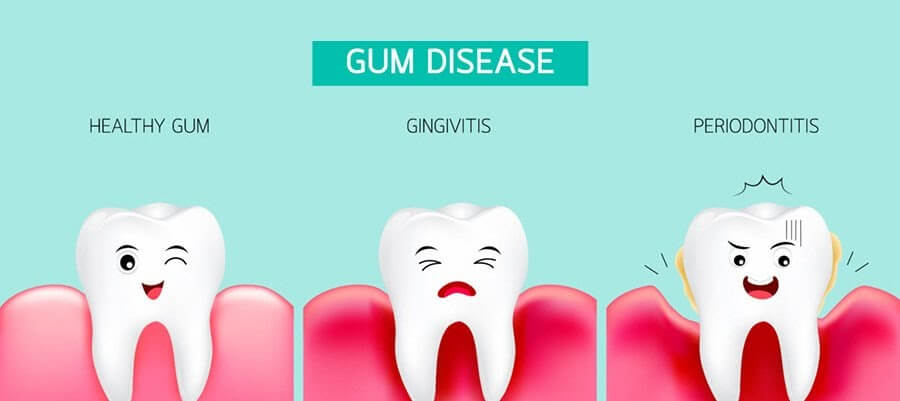
Dental scaling is a procedure that removes plaque and tartar (hardened plaque) from the surfaces of teeth, both above and below the gumline. The procedure is typically performed by a dental hygienist or dentist using specialized tools, such as ultrasonic scalers and hand scalers. Dental scaling is usually performed as part of a routine dental cleaning, but may also be recommended as a treatment for patients with gum disease or other oral health issues. The procedure is generally painless and can help to prevent cavities, gum disease, and bad breath.
Is it Painful Procedure?
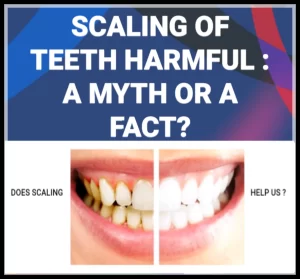
Dental scaling is typically not a painful procedure, but some patients may experience mild discomfort during or after the treatment. The use of ultrasonic scalers, which generate high-frequency sound waves to remove plaque and tartar, may cause a vibrating sensation in the mouth. Some patients may also experience sensitivity in their teeth after the procedure, particularly if they have gum recession or exposed tooth roots.
However, most patients find dental scaling to be a relatively comfortable procedure and report little to no discomfort. If you are concerned about pain or discomfort, your dentist can provide a local anesthetic or pain medication to help alleviate any discomfort during the scaling.
After the procedure, the teeth may be sensitive to hot and cold temperatures, but sensitivity should not last long. If the sensitivity persists, your dentist may recommend desensitizing toothpaste or fluoride treatment.
Why Dental Scaling is important?
Dental scaling is important for several reasons:
- Preventing Gum Disease: Plaque and tartar buildup can lead to gum disease, which is an infection of the gums that can cause inflammation, bleeding, and even tooth loss if left untreated. Dental scaling removes the plaque and tartar that can cause gum disease, helping to keep the gums healthy.
- Preventing Cavities: Plaque is a sticky film of bacteria that forms on teeth and can lead to tooth decay. Dental scaling removes plaque from the teeth, helping to prevent cavities from forming.
- Fresh Breath: Dental scaling can help to improve bad breath by removing the bacteria and debris that can cause bad odor.
- Detecting Oral Cancer: Dental scaling allows dentists to examine the mouth and detect any signs of oral cancer, such as sores or discoloration in the oral cavity.
- Early Detection: Dental scaling allows for early detection of dental problems such as cavities, gum disease or other oral health issues, which means they can be treated early on and prevent the problems from becoming more severe.
- Aesthetic: Dental scaling can also improve the overall appearance of teeth by removing surface stains caused by food, drink, and tobacco.
Regular dental scaling is essential to maintain good oral hygiene and to prevent dental problems in the long run.
Can Dental scaling damage my teeth?
Dental scaling is generally considered to be a safe procedure and is not likely to damage teeth. However, there are some cases where dental scaling may cause some damage to teeth, such as:
- Enamel damage: Enamel is the hard, protective outer layer of the teeth. Dental scaling tools, if not used properly, can cause scratches or wear on the enamel, which can lead to sensitivity or discoloration.
- Root damage: If a dental scaler is used too aggressively, it can cause damage to the root surface of the tooth, which can lead to sensitivity or even infection.
- Gum damage: Dental scaling involves the removal of plaque and tartar from the gumline, which can cause some mild bleeding or soreness in the gums. In rare cases, if the scaling is too aggressive, it can cause gum damage.
However, these risks are minimized if the scaling is performed by a trained and experienced dental professional using appropriate technique, and with proper care and maintenance of the instruments. If you experience any pain or sensitivity after the scaling, please consult with your dentist.
It’s important to note that, regular dental scaling is important for maintaining good oral hygiene and preventing oral health issues, and if you have any concern, it’s always best to consult with your dentist.
How Dental Scaling is done?
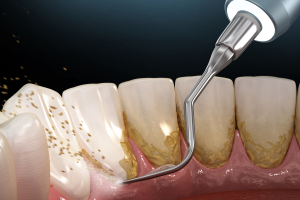
Dental scaling is typically performed by a dental hygienist or dentist and is usually done as part of a routine dental cleaning. The procedure typically involves the following steps:
- Your dentist will examine your mouth to check for any oral health issues, such as cavities, gum disease, or other problems.
- Your dentist will then use a small mirror to examine the surfaces of your teeth and gums, looking for any plaque or tartar buildup.
- Your dentist will then use a scaler, which is a small, hand-held tool, to remove plaque and tartar from the surfaces of your teeth, both above and below the gumline.
- In some cases, your dentist may use an ultrasonic scaler, which uses high-frequency sound waves to break up and remove plaque and tartar.
- Your dentist will then use a polisher, which is a small, rotating brush, to polish the surfaces of your teeth, removing any remaining plaque and leaving your teeth smooth and shiny.
- Your dentist may also apply fluoride to your teeth to help protect them against future decay.
The entire process usually takes around 30-60 minutes and in most cases, it is relatively painless. However, if you have sensitive teeth or gums, your dentist may recommend a local anesthetic or pain medication to help alleviate any discomfort.
It’s important to note that, dental scaling should be done regularly as part of a good oral hygiene routine to maintain healthy teeth and gums and prevent oral health issues. Your dentist will recommend a schedule based on your individual needs.
When is dental scaling necessary?
Dental scaling is typically recommended as part of a regular dental cleaning, which is usually done every six months. However, some patients may require more frequent scaling depending on their oral health needs. The following are some situations where dental scaling may be necessary:
- Gum Disease: If you have gum disease, dental scaling may be necessary to remove plaque and tartar buildup that has accumulated below the gumline. This can help to reduce inflammation and bleeding of the gums and prevent further progression of the disease.
- Heavy Plaque and Tartar Buildup: If you have a heavy buildup of plaque and tartar on your teeth, dental scaling may be necessary to remove it. This can help to prevent cavities and gum disease.
- Sensitive Teeth: If you have sensitive teeth, dental scaling may be necessary to remove plaque and tartar that has accumulated on the tooth roots, which can cause sensitivity.
- Smoker or heavy coffee/tea drinker : Heavy smoker or people who consume large amounts of coffee or tea, which can cause staining of the teeth, dental scaling may be necessary to remove surface stains.
- Braces or orthodontic treatment: people who wear braces, or had an orthodontic treatment, may require more frequent scaling, as it is harder to clean teeth with braces and the plaque and tartar may accumulate more easily.
- Pre- or Post-Surgery: Dental scaling may be necessary before or after certain dental procedures, such as a dental implant or a tooth extraction, to ensure a clean and healthy environment for the procedure.
It is important to note that, regular dental check-ups and cleaning are important for maintaining good oral hygiene and preventing oral health issues. Your dentist will recommend a schedule based on your individual needs.
How much does it cost for dental cleaning?
The cost of dental cleaning can vary widely depending on a number of factors, such as your location, the type of insurance you have, and the type of cleaning you need.
A standard dental cleaning, which includes a routine cleaning, an oral exam and x-rays if needed, typically costs between $75 and $200. However, if you require additional services, such as periodontal scaling and root planing (deep cleaning), the cost can be higher, usually between $200 and $350. In India, it generally ranges between 1000 to 3500 INR according to severity and number of appointments.
If you have dental insurance, your cleaning may be fully or partially covered, depending on your plan. Some insurance plans may cover the full cost of a cleaning, while others may only cover a portion of the cost or have a maximum benefit limit. It is important to check with your insurance provider to understand the coverage for dental cleaning.
If you do not have insurance, or if your insurance does not cover the cost of a cleaning, you may be able to negotiate a payment plan with your dentist. Some dental offices may also offer a discount for patients who pay for the cleaning in full at the time of the appointment.
It’s also important to note that, the cost of dental cleaning should not be the only factor to consider when choosing a dentist. It’s important to find a dentist that you trust and feel comfortable with, who has the appropriate qualifications and experience, and who can provide you with the best care for your oral health.
Conclusion:
In conclusion, dental scaling is a common and important procedure that is used to remove plaque and tartar from the surfaces of teeth, both above and below the gumline. This helps to prevent cavities, gum disease, bad breath and also detect any signs of oral cancer. The procedure is typically performed by a dental hygienist or dentist using specialized tools and is usually done as part of a routine dental cleaning. Dental scaling is generally considered to be a safe and comfortable procedure, however, patients may experience mild discomfort or sensitivity in teeth after the procedure. Regular dental scaling is essential to maintain good oral hygiene and prevent dental problems. Dental scaling cost can vary depending on location, insurance and type of cleaning required. It’s important to find a dentist that you trust and feel comfortable with, who can provide you with the best care for your oral health.